

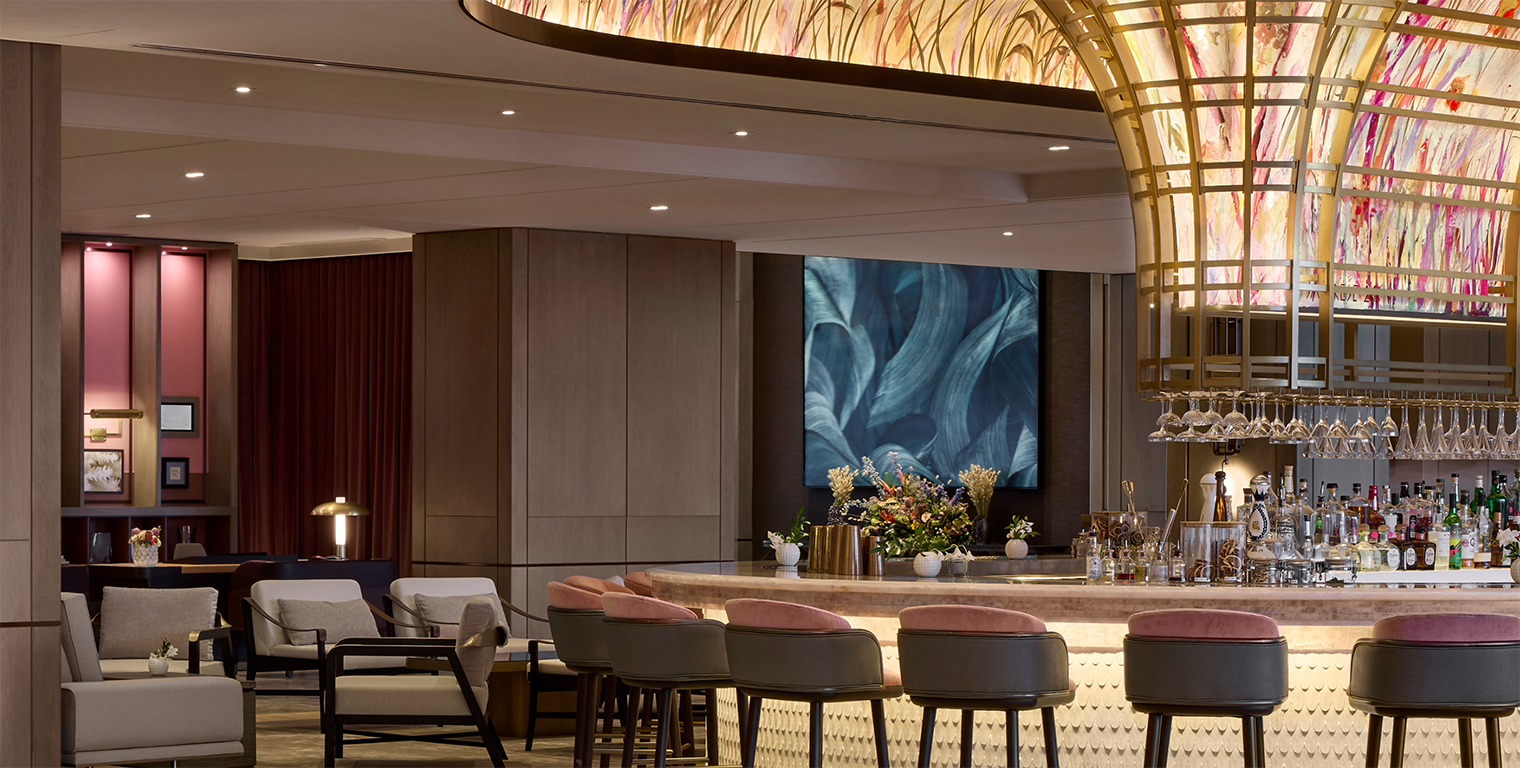
It’s an honor for us that KBAA and luxury hospitality have gone hand in hand since our founding over thirty years ago. One of Kevin Barry’s very first projects was advising The Beverly Hilton in 1984!
Today, our team of hospitality art experts works across the country partnering with the best brands in the business. We sat down with three of our art Directors, Julia Stenderup, Veronica Volborth, and Katie Luka, to discuss the lens in which we view luxury hospitality projects today.
It’s always a treat to sit down with our art directors! To start, tell us a bit about your role at KBAA. What does your day-to-day look like?
Veronica: No two days are ever the same as an Art Director at KBAA. We are player-coaches. So, on any given day, we may be curating artwork, onboarding new artists, leading client presentations, creating training programs for our team members, or collaborating with other KBAA department leaders on company initiatives. The list goes on — but the common thread in everything we do is creative thinking.
Julia: At its core, the Art Director’s role is to elevate the creative output of others. This takes many forms day to day, including teaching and guiding the creative process, fostering dynamic ideation, and applying subject matter expertise to rigorously refine artwork proposals.
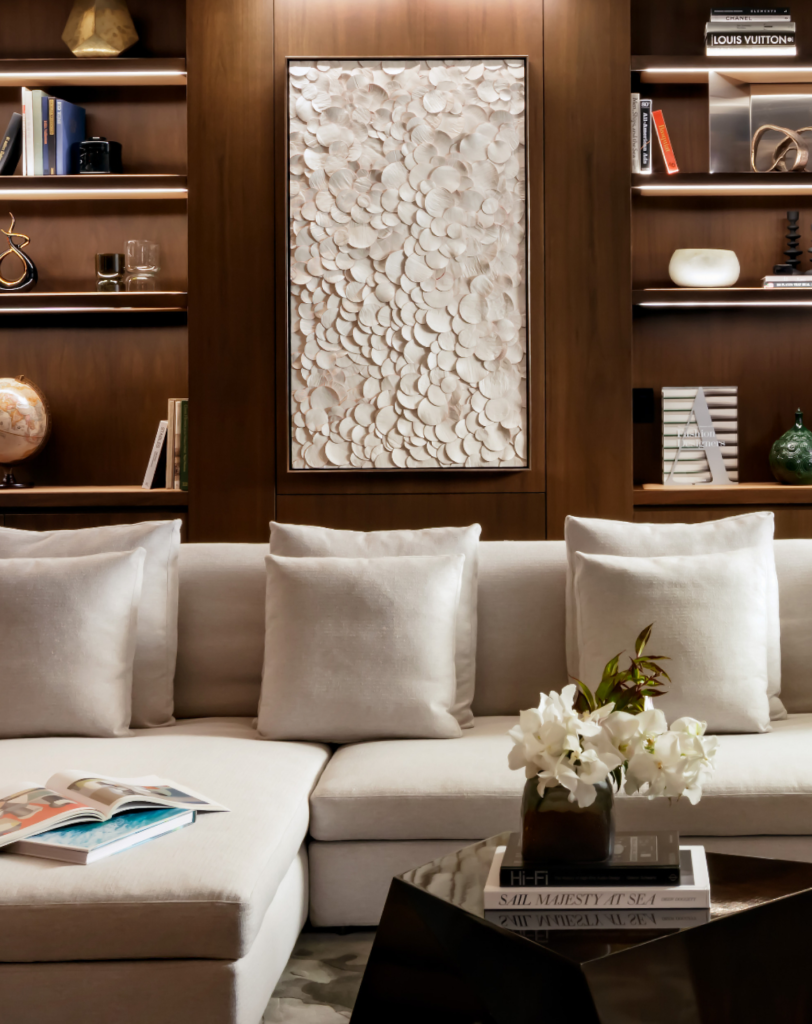
Luxury can mean so many things to different people. When you think about luxury hospitality through the lens of KBAA, what does this mean to you?
Veronica: To me, creating luxury means enabling an exclusive experience. Specifying rare, incredibly unique, or high-demand artwork helps create a space that feels aspirational.
Katie: Luxury, through a hospitality art design lens, is about creating an emotional resonance that feels both effortless and deeply considered. It is inherently bespoke, each element thoughtfully tailored to its setting, telling a story that could exist nowhere else. It lives in the quiet layering of materials, scale, and narrative, where art is not just decorative, but intentional, anchoring a sense of place and elevating the guest’s experience.
Our luxury hospitality clients often ask us to help them create a “Sense of Place.” Describe what your first steps are when you’re met with that request.
Veronica: Generally, our first step is research. We look for elements that differentiate a location from other places and use those to inform a unique narrative. We love to discover local artists for each new project. Art programs featuring local artists demonstrate a hotel’s commitment to supporting the creative communities they operate in. Not only reflecting a particular place, but helping to build it.
Julia: Because we work on projects throughout the world, it’s deeply important to understand the locale of a project prior to considering artwork and artists. We dive into research around the geography, the native flora and fauna, and the cultural layers that have shaped that place over time. Only then can we begin to craft the narrative and curate an artwork program that feels true to its setting.
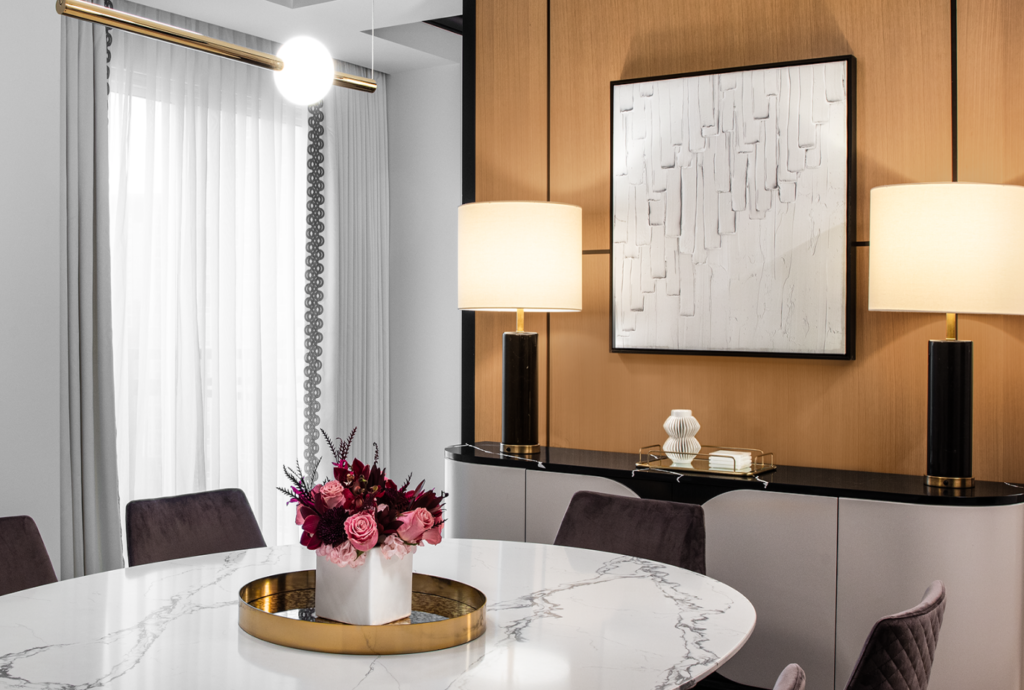
And how do you balance this approach, honoring local environments and stories, while still creating something that feels elevated and transportive?
Katie: Start by distilling a place down to its underlying qualities, light, materiality, rhythm, cultural gestures, rather than its most recognizable symbols. That gives you something more abstract and timeless to work with. From there, elevation comes through restraint and execution: refined materials, thoughtful scale, and unexpected pairings that push the narrative just beyond the familiar.
Can you walk us through how a project typically unfolds for you, from early conversations to final installation?
Katie: A project typically begins with early conversations that focus on understanding the client’s vision, the brand, and the emotional tone they want the space to convey. From there, we develop a narrative framework, something that anchors the project in a sense of place while leaving room for interpretation and elevation.
That narrative then guides both artist sourcing and custom development. We look for artists whose practices naturally align with the story, while also identifying opportunities where bespoke pieces can push the concept further. It’s a constant dialogue between what already exists and what needs to be created.
As the project moves toward execution, it becomes about refinement and cohesion, ensuring each piece contributes to the overall experience while maintaining a high level of craft. The final piece of the puzzle is consideration of art placement, and how a guest will move through and encounter the work.
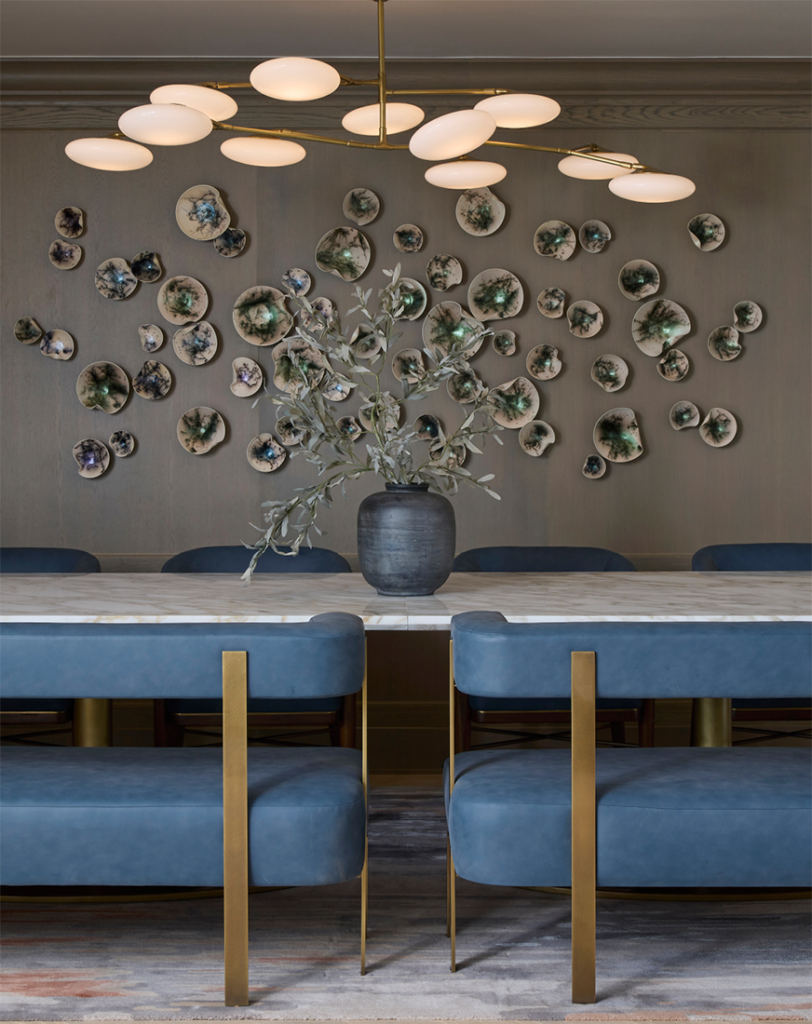
What makes an art program feel cohesive across an entire property? Not just one beautiful piece, but a full experience.
Veronica: Branding icon Paula Scher said “branding is not a rubber stamp.” Meaning, an effective brand is the sum of many varied parts. The same concept applies to an art collection. A cohesive program doesn’t necessarily mean everything looks similar. Oftentimes, quite the opposite is true. A collection should have a conceptual or visual throughline connecting each piece, but its strength is also in its variety. Take Fontainebleau Las Vegas as an example. Our team worked on a range of unique areas throughout the property, each with its own story. Yet elements like unique narrative and elevated materiality created experiential continuity from one experience to the next.
Julia: To create a truly artful experience across a property, we rely on a deliberate sense of balance. Because art is inherently subjective, variety becomes essential in expressing the brand narrative. A single piece may not resonate with every guest, but across a thoughtfully curated collection, each guest is given multiple opportunities to connect. By thoughtfully balancing subject matter, mediums, and styles, all anchored in the brand story, we ensure that every space holds the potential for meaningful engagement.
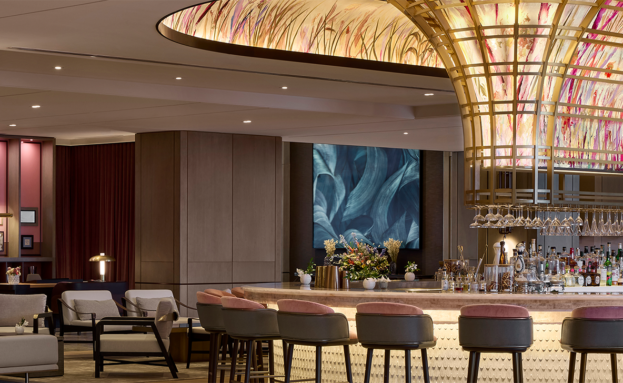
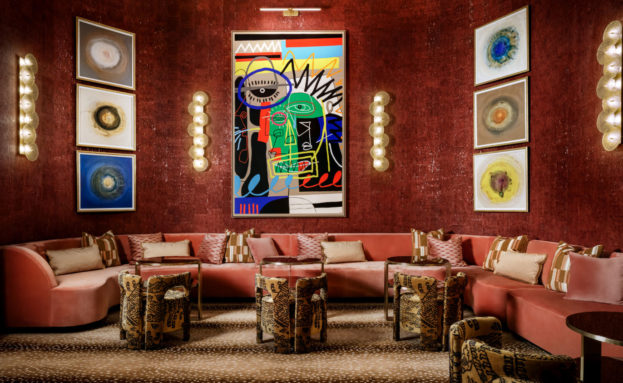
At the Fontainebleau Las Vegas, our team imbued the iconic Fontainebleau brand throughout the entire property, while embracing a unique story at each destination: a cocktail bar was energetic, expressive and bold, while the spa was serene, minimal and abstracted.
Is there a piece or moment from a project that really stayed with you, something that perfectly captured the spirit of a place?
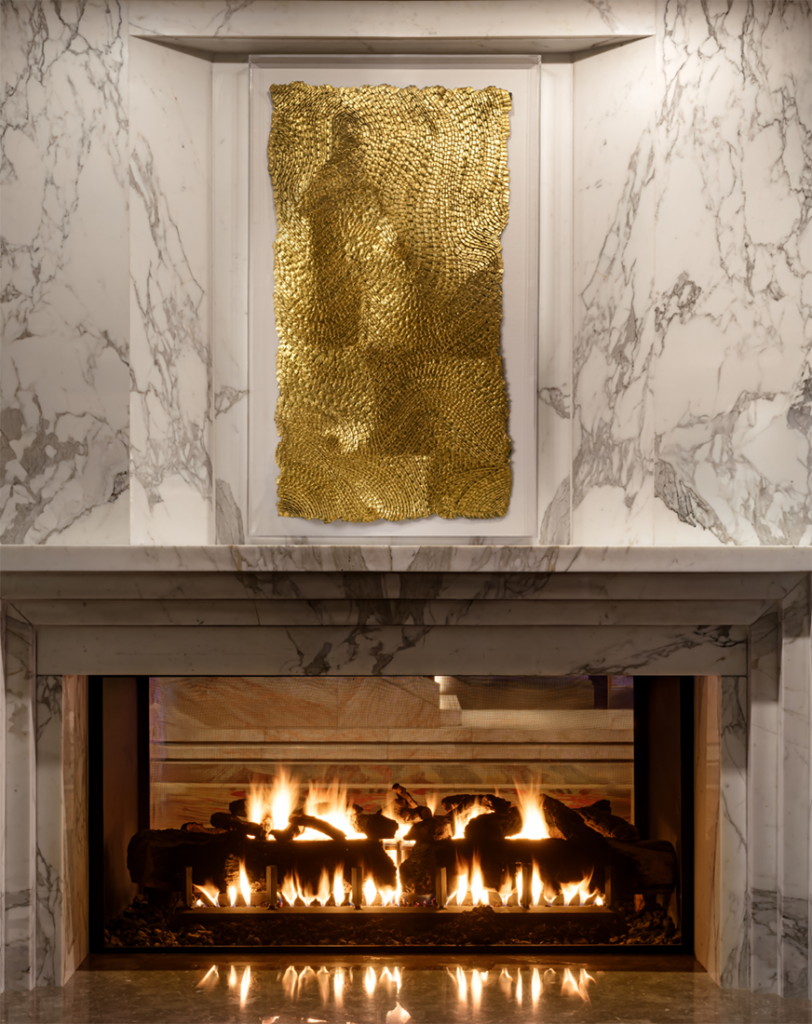
Veronica: At Chamonix Hotel & Casino, we placed a jaw-dropping mixed media fiber work by Olga de Amaral. Cripple Creek, Colorado, where the property is located, is a historic community with its roots in gold mining. The artist’s work, created with linen, gesso, gold leaf, and acrylic paint, is an ode to this history. Each piece of the work is carefully stitched together for a textural, handcrafted feel. The precious metal leafing creates an incredibly opulent finish. Together, they represent the story of place — a perfectly balanced fusion of earthiness and extravagance.
Katie: The oversized works in the Bellagio Baccarat Room by Luca Rodriguez are striking in both scale and intricacy, perfectly calibrated to the grandeur of the space. Rather than overwhelming the room, their proportions feel intentional, anchoring the environment while inviting closer inspection. Up close, the extreme level of detail reveals a layered, almost obsessive craftsmanship, creating a dynamic tension between monumentality and intimacy that elevates the entire experience.
What do you think actually makes a guest pause? What makes something stick with them?
Veronica: Something that interrupts expected visual patterns makes a piece of art pause-worthy. This applies to the individual project and to the industry at large. Humans are hard-wired to notice contrast in color, shape, or pattern. This comes from evolutionary developments that helped us quickly identify predators and prey in the natural environment, back when we were hunter-gatherers. It still applies today. Unusual work has stopping power.
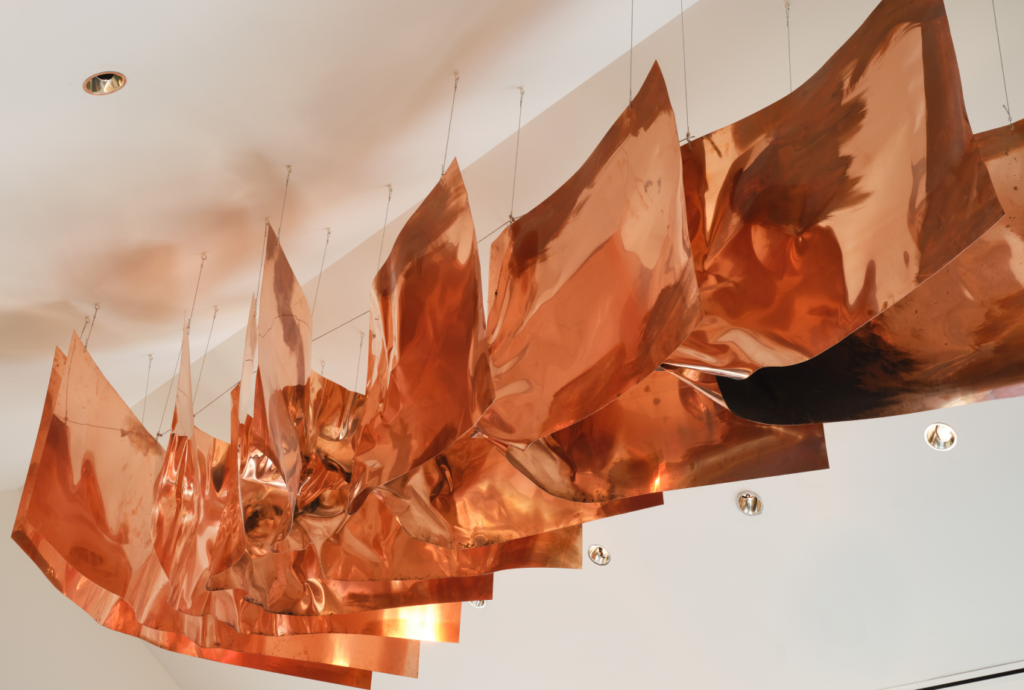
Julia: Inviting guests to reconsider their assumptions about what art can be is a powerful way to create a lasting impression. A compelling example is the copper ceiling sculpture installed in the winery tasting rooms at Four Seasons Napa Valley. For this piece, the artists layered large-scale sheets of copper and then dramatically contorted them by firing a cannon through their center. Suspended within the planes of the cathedral ceiling, the sculpture captures and reflects light, drawing the eye upward while prompting a sense of curiosity: how was this made, and what defines it as art?
What’s something people often misunderstand about art in hospitality?
Katie: That its role is to fill walls or reinforce a theme. In reality, the most successful programs operate more like storytelling devices, shaping how a guest feels, moves, and remembers a space. When treated thoughtfully, art isn’t an afterthought or a layer applied at the end, it’s integral to the experience, carrying as much weight as architecture or interiors in defining the identity of a place.
Julia: If there’s one goal I think we all hold as Art Directors, it’s to challenge and redefine the notion that hotel art is uninspired. Too often, it’s treated as an afterthought, which can lead to an unsuccessful art program. If we downplay the role of art in the guest experience, we miss out on the opportunity to transform it from background into an experience that resonates long after the guest has left.
And finally, what does great art curation add to a luxury hotel experience? Why does this incredible work we get to do matter?
Veronica: Talented architecture and design teams build the bones and bring life to a space. With artwork, we help those spaces speak. It matters because art has the ability to connect with a person in the deepest part of their soul. For a guest to experience that? That is the truest luxury there is.
If you’d like to learn more about how we approach our luxury hospitality projects, check out the Luxury Hospitality Issue of ELEVATE by KBAA. The “Infinite Brilliance” issue shares stories that represent our approach to luxury hospitality at the highest level. Each one balances multiple narratives while staying grounded in our guiding pillars: a strong sense of place, a clear expression of brand, and a deeply considered guest experience. Enjoy!